Dehydrated & Dull Skin
8 products


8 products
Dehydrated Skin
Dehydration is water leaving through the surface faster than it is replaced. It responds quickly, and it returns just as quickly if the barrier is left unaddressed.
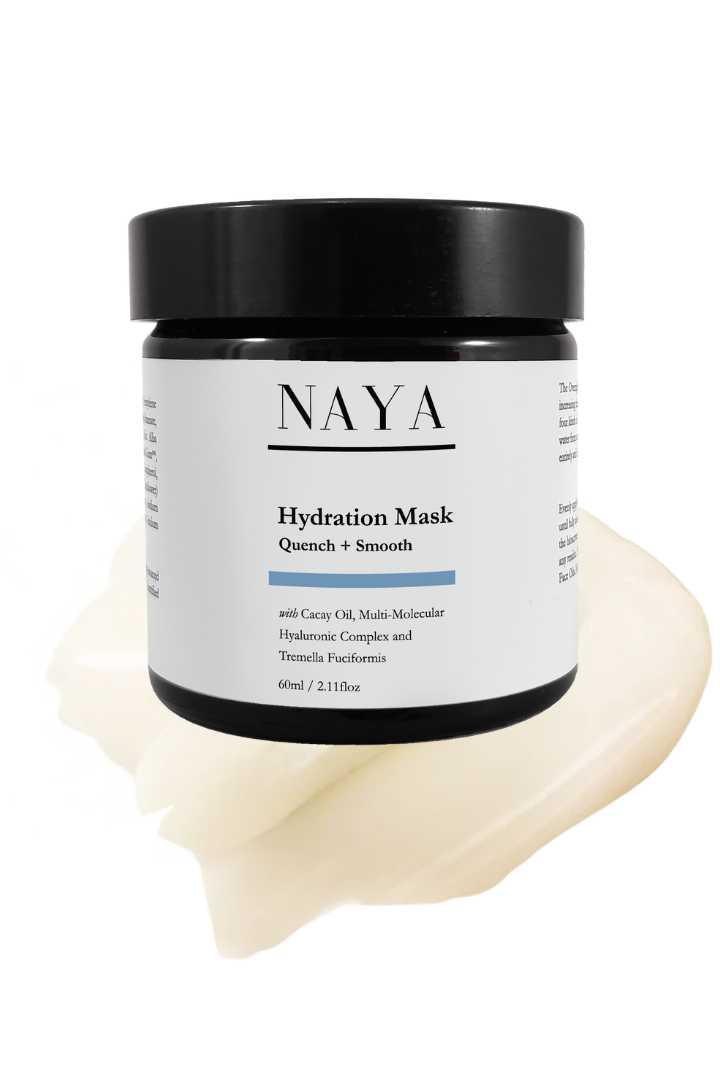
Start with the prep step. Adding water without improving how skin holds it is why most hydration routines need constant topping up. The full mapping is below the products.
Transepidermal water loss is measurable and reversible. The reason it recurs is that most routines treat the symptom and leave the mechanism alone.
Moisture leaves through a surface that is not sealing properly. Adding more moisture without slowing the loss produces an hour of relief and no change.
Foaming cleansers lift surface pH, and a barrier at the wrong pH recovers more slowly. That is why tightness after washing is the most reliable early sign.
Skin that is losing water often produces more sebum in response, which is why oily and tight arrive together and confuse the diagnosis.
A water-depleted surface scatters light rather than reflecting it, which reads as dullness even when tone has not changed.
Match what you are noticing to one starting point. Not one from every row.
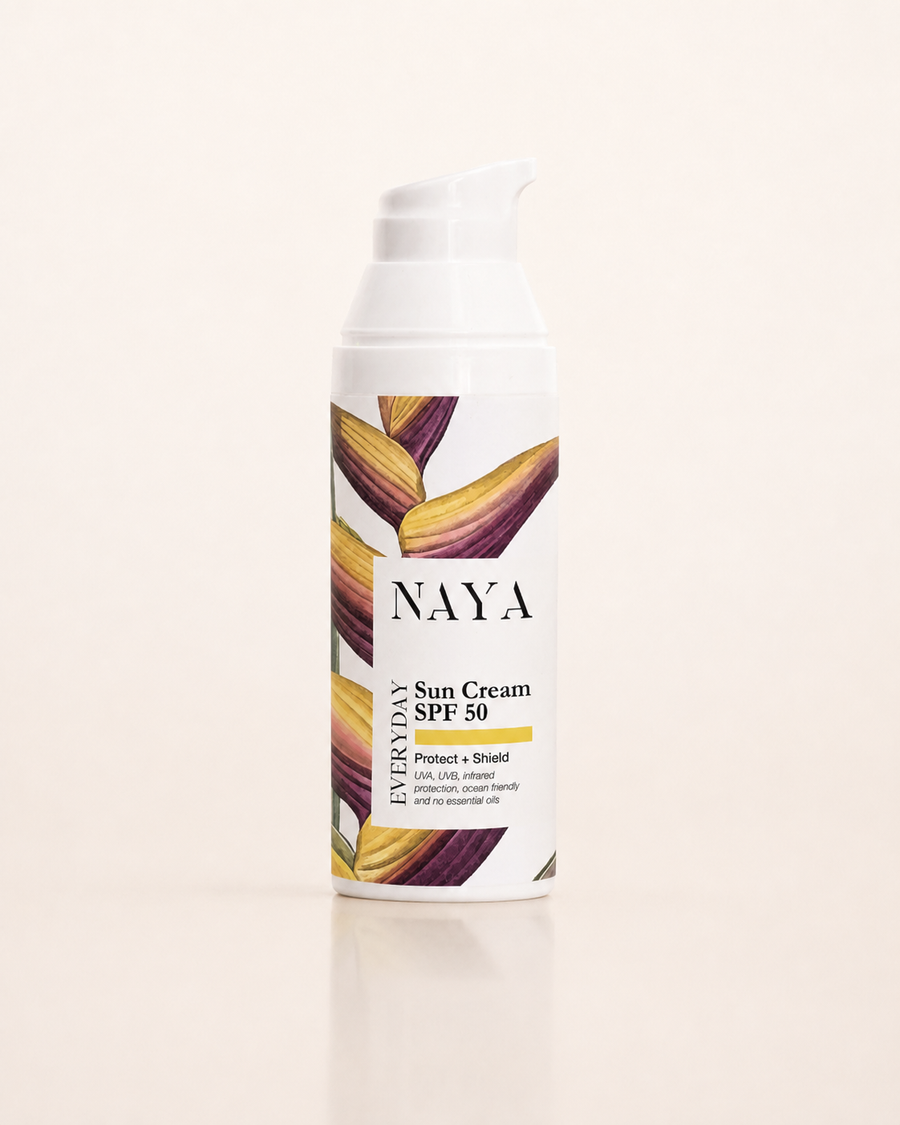
Across every starting point, one step does not change: Everyday Sun Cream, every morning. UV is the fastest way to undo what the rest of the routine builds.
Humectants alone make dehydration worse in dry air. Every water-attracting step needs something sealing it, which is what the order below is for.
A pH-balanced cleanser and a prep step on damp skin, sealed by a day cream. Actives paused. Tightness usually resolves within the first week.
Add the refining step once the routine is comfortable, and give the overnight step the work it does best. This is where the surface starts holding.
Renewal steps last. On a surface still losing water they cost more than they return.
This routine in trial sizes. Comfort comes quickly: less tightness after cleansing, and skin that holds what you give it. That is what a trial is for, and the structural work continues from there.
Add to cartSun cream is not included. At the amount you should actually be using, a trial size empties in under two weeks, so it cannot tell you anything useful about the one product you will use most.
Yes, and it commonly is. Oil production and water retention are separate systems, so skin can produce plenty of sebum while still losing water through the surface. Treating the oil usually makes the dehydration worse.
Dry skin lacks lipids, feels rough, and is a type. Dehydrated skin lacks water, feels tight without feeling rough, and is a state. If yours is rough as well as tight, start with the dryness range.
Tightness often resolves within days, which is faster than any other concern we treat. Do not read that as finished: the structure underneath takes closer to six weeks.
Yes. An unmoisturised oily skin loses water faster and produces more oil in response. A light layer everywhere, including where it shines.