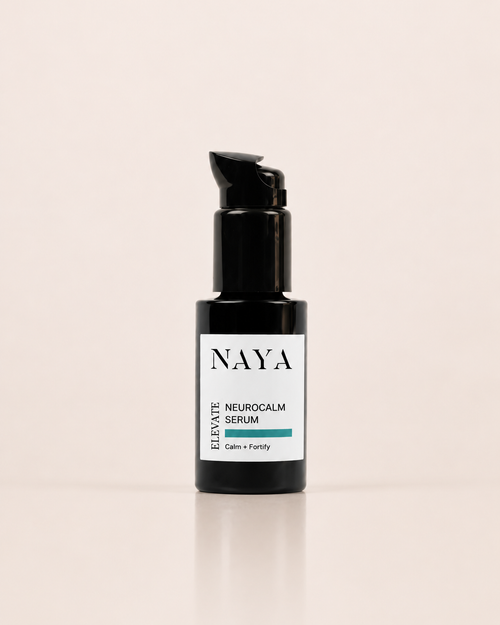
Skin feels calmer
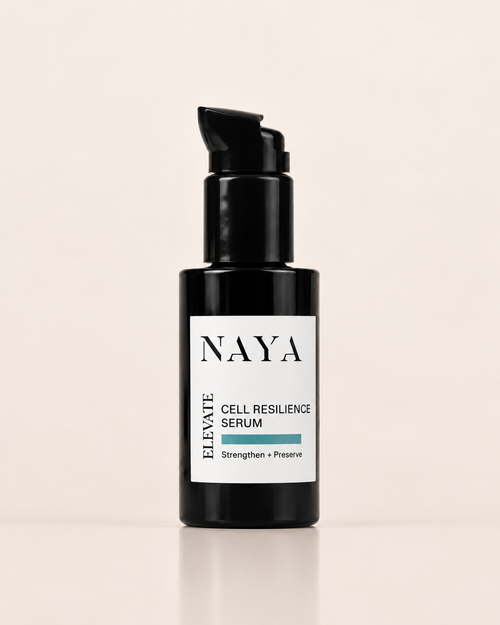
This lightweight serum helps skin feel hydrated, soothed and more comfortable, with less tightness.
*Based on a consumer perception study. Individual results may vary.
*Results build cumulatively. NeuroCalm is designed for long-term structural support, not short-term plumping. **Instrumental measurement on the active ingredient / supplier testing.
When stress shows on your skin: less visible redness, calmer-looking skin and stronger-feeling resilience over time.
This lightweight serum helps skin feel hydrated, soothed and more comfortable, with less tightness.
Stress-related flushing and visible redness can appear less pronounced, while reactive skin feels less easily unsettled.
With daily care, skin feels more comfortable and tolerant, with a calmer, more balanced-looking complexion.
Individual experience varies. These describe how skin may feel and look, not guaranteed outcomes.
What's inside
Sea Breeze™ is a marine-inspired active selected to support skin exposed to stress and environmental imbalance. It helps promote a calmer, fresher and more comfortable-looking complexion.
Avenanthramides are soothing compounds derived from oats and are particularly valuable for redness-prone, reactive skin. They help reduce the feeling of discomfort while supporting a calmer-looking skin response.
Two complementary peptides, selected for skin that reacts to stress. Acetyl Hexapeptide-49 helps support comfort in sensitivity-prone skin, while Acetyl Tetrapeptide-40 is included to address the appearance of redness. Together, they form part of NeuroCalm’s targeted approach to calmer-looking, more resilient skin.
What we leave out
No phenoxyethanol · PEGs · parabens · silicone · synthetic fragrance
Choose your essentials, step by step, and save up to 15%.
Build your ritualExplore how stress signalling, barrier disruption and recovery can influence one another. This is an educational illustration, not a fixed sequence.
Stress-related signalling may influence how easily skin becomes uncomfortable or visibly reactive. Not every stress signal leads to inflammation.