Combination Skin
8 products


8 products
Multi-Zone & Combination Skin
Sebaceous gland density really is higher through the centre of the face. That is anatomy rather than imbalance, so the goal is not uniformity but to stop treating the whole face as the loudest zone on it.
Start with one set of products, applied unevenly. Two full routines doubles the cost and the irritation. The full mapping is below the products.
Most combination routines treat the T-zone and let the cheeks pay for it, or the reverse. The zones differ in degree rather than in what they need.
More sebaceous glands through the forehead, nose and chin. Not a malfunction, and not something to be corrected out of existence.
Stripping the centre triggers more oil within hours, so aggressive treatment makes the oily zone oilier while damaging the dry one.
The cheeks and jaw have less to spare, so a product calibrated for the T-zone leaves them tight by evening.
Which zone dominates moves through the year. The zones do not disappear, so the routine adjusts rather than being replaced.
One set of products in different amounts. Match what you notice to where to begin.
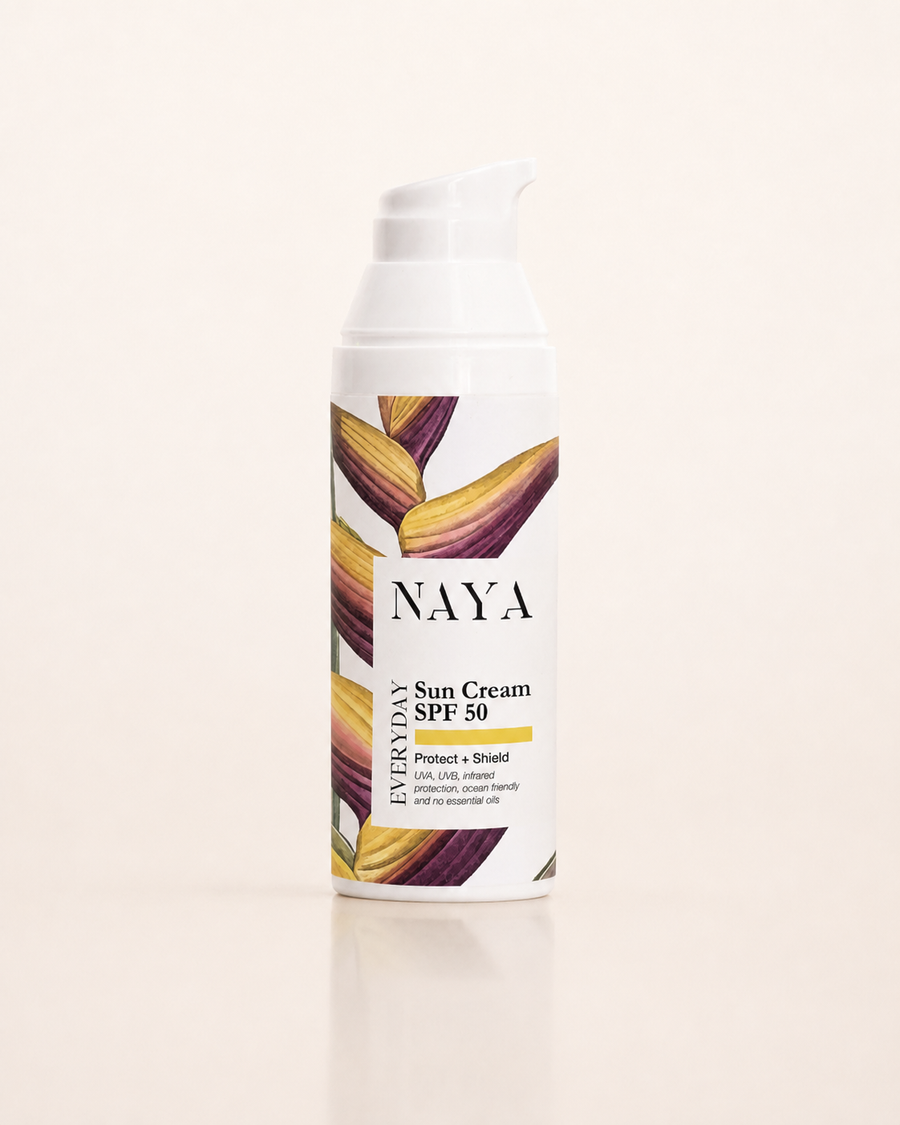
Across every starting point, one step does not change: Everyday Sun Cream, every morning. UV is the fastest way to undo what the rest of the routine builds.
Zoning is an application technique rather than a shopping list. It costs nothing and solves most of what makes combination skin difficult.
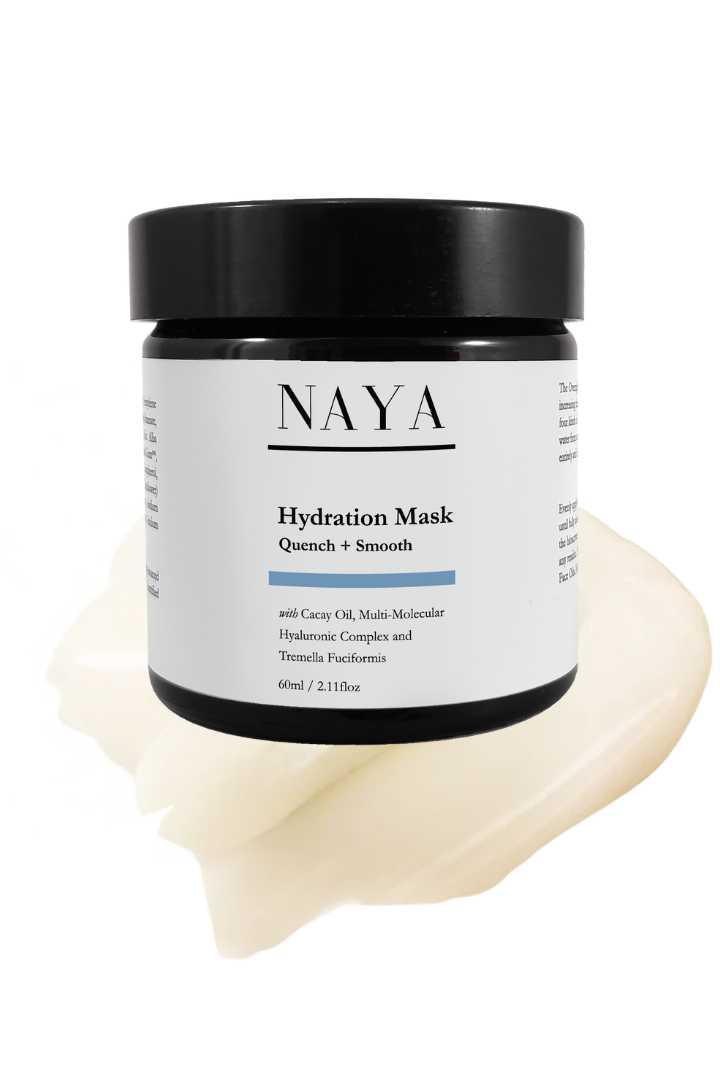
Cleanse and prep evenly across the face. Moisturise generously on the cheeks, thinly through the T-zone. Never skip the centre entirely.
Renewal two to three times weekly on the congested zone only, once at most on the cheeks. This is the point of zoning.
The gap between zones narrows enough that one amount mostly works. Zoning becomes an adjustment rather than a rule.
The core of this routine in trial sizes. One set of products applied in different amounts across the face, which is the whole argument of this page in a box.
Add to cartSun cream is not included. At the amount you should actually be using, a trial size empties in under two weeks, so it cannot tell you anything useful about the one product you will use most.
No. That doubles the cost and the irritation. One set of products applied in different amounts handles it, because the zones differ in degree rather than in what they need.
No, and this is the most common mistake. An unmoisturised oily zone produces more oil, not less. A thin layer, but a layer.
If tightness is everywhere rather than zoned, including in the oily parts, that is usually dehydration. Oil production and water retention are separate systems, so both can be true at once.
No. Adjust the amounts rather than the products. The zones do not disappear seasonally, they just swap which one dominates.