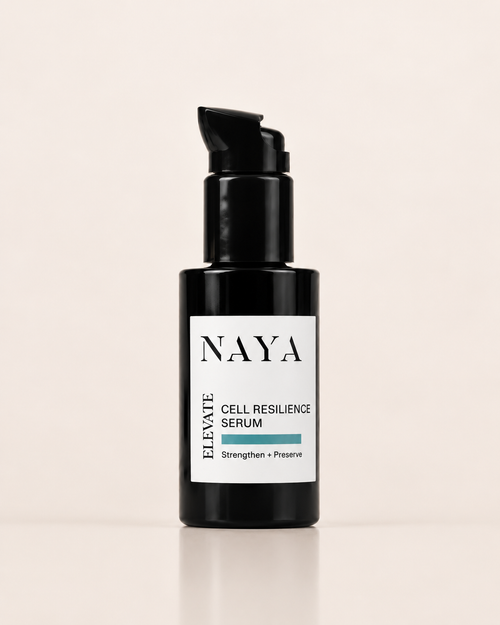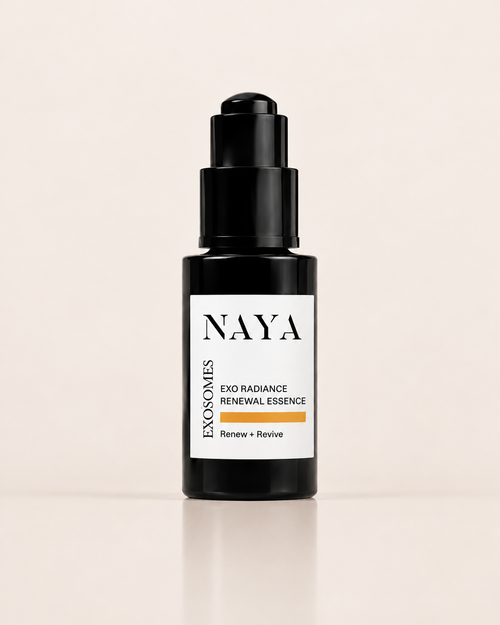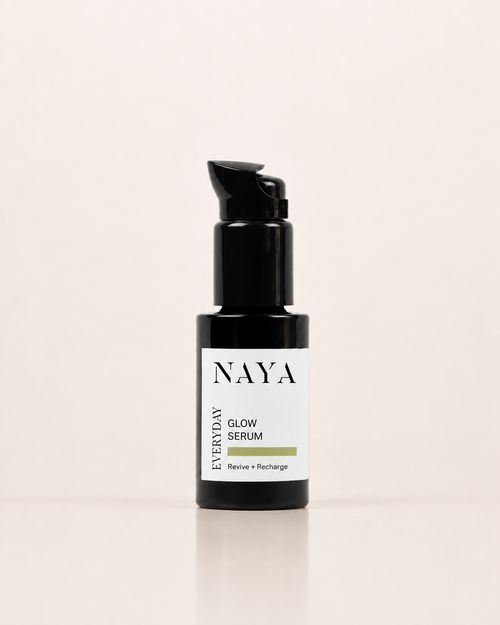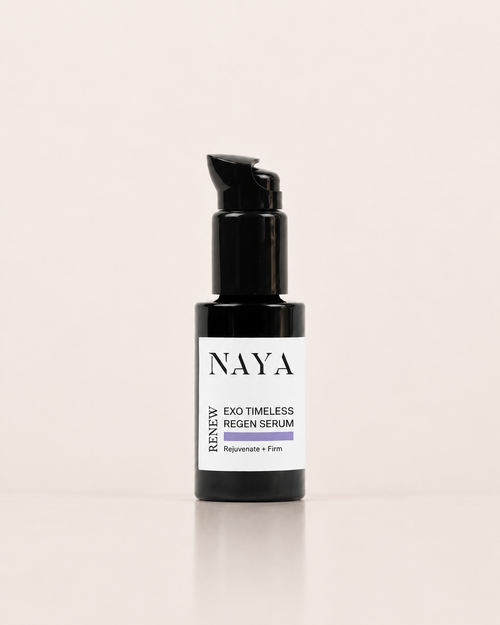
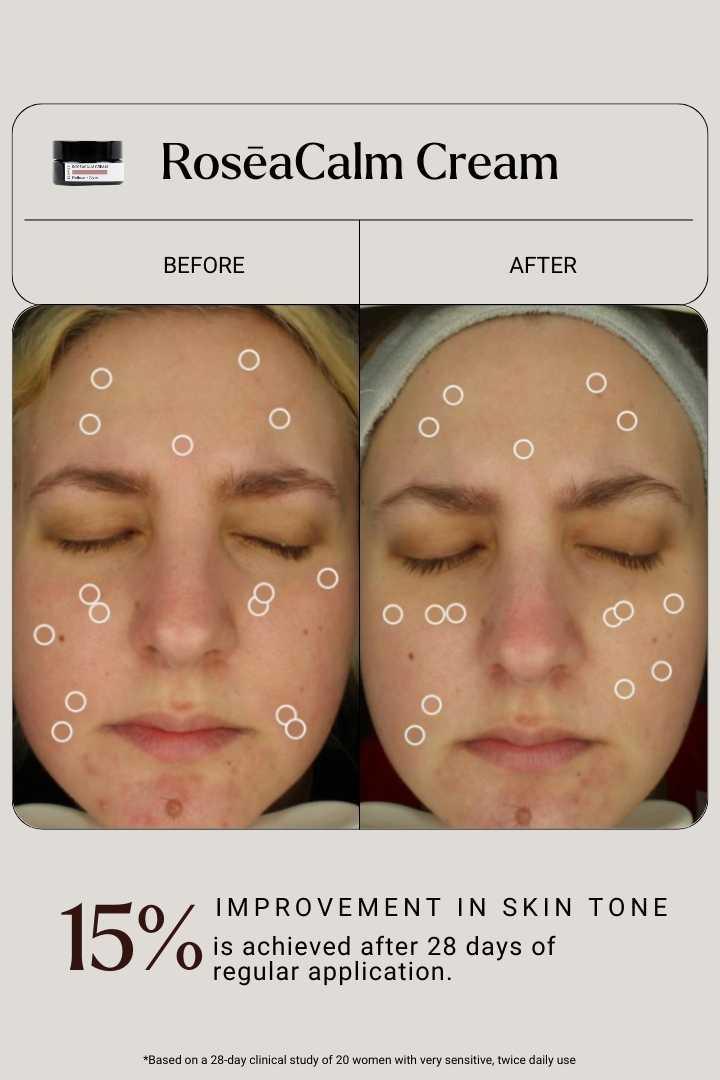
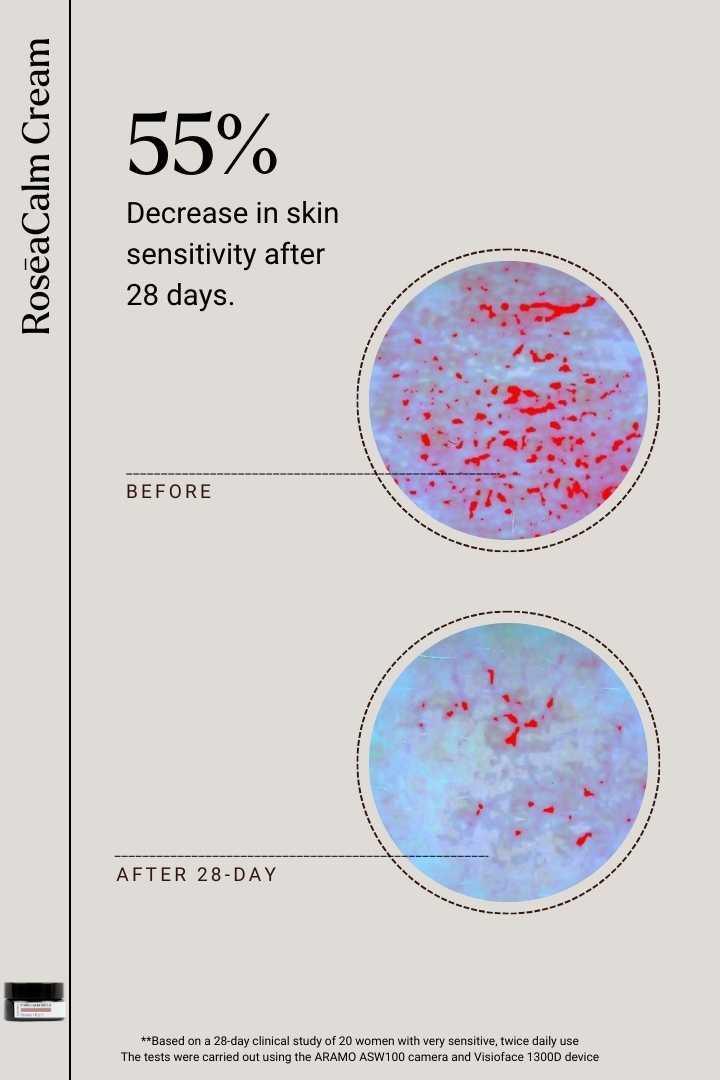
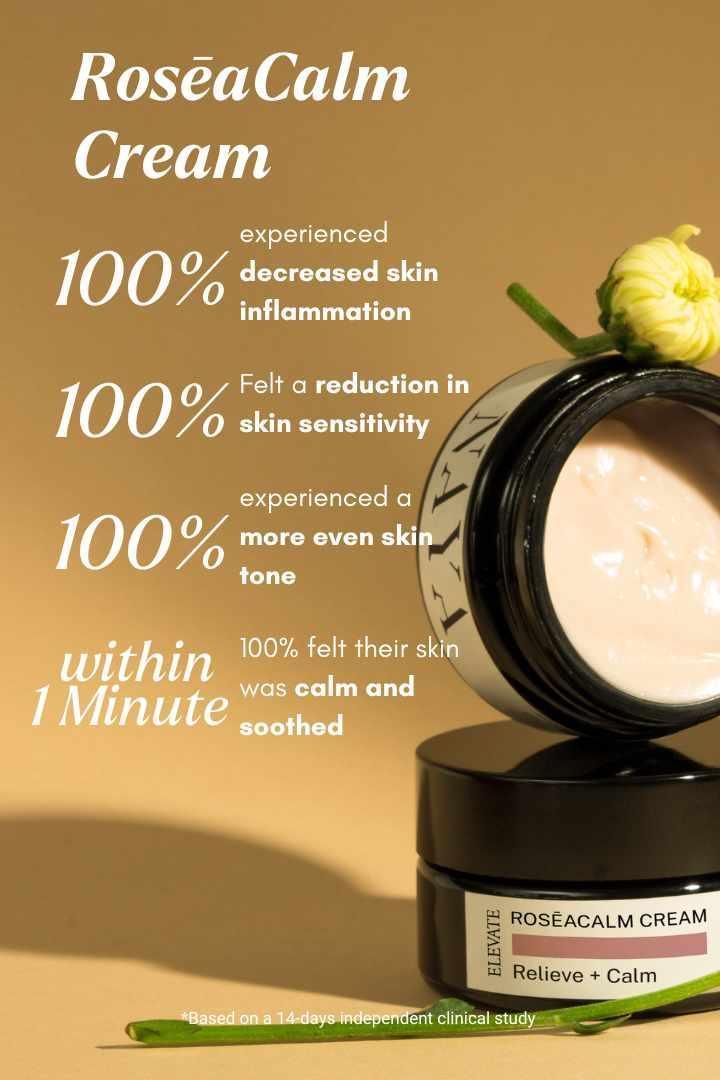




Real Results from our Community
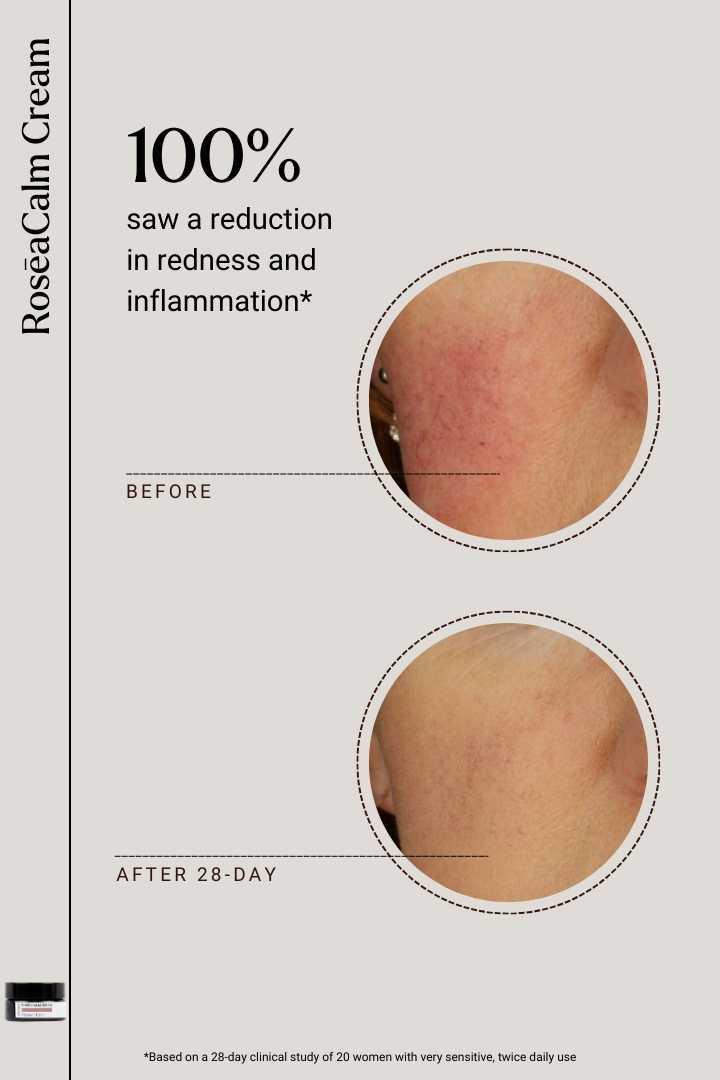
All images are taken by our community after 30 days of use.
Designed to support skin that looks calmer, stronger and more radiant over time.
*Based on a consumer perception study. Individual results may vary.
A gradual shift towards greater comfort, softer-looking redness and more predictable skin.

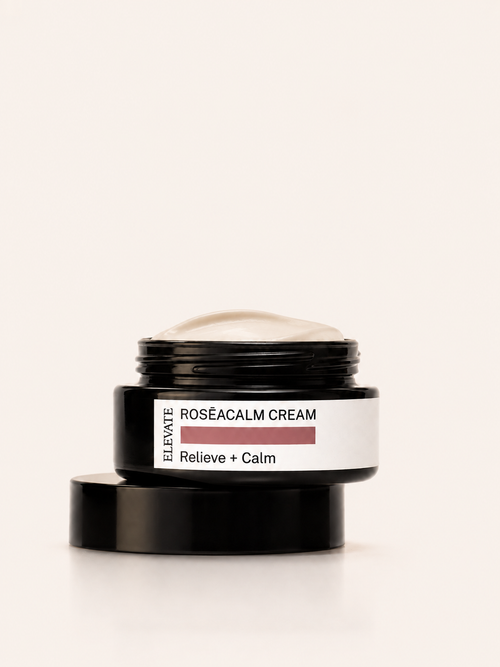
The velvety cream helps ease dryness, tightness and the uncomfortable feeling associated with redness-prone skin.
Persistent redness may appear less pronounced and the complexion can look calmer and more even.
Skin may feel less easily unsettled by weather, stress or changes in your routine.
Individual experience varies. These describe how skin may feel and look, not guaranteed outcomes.
What's inside

A targeted neuropeptide helps address the communication pathways involved in visible flushing and reactive discomfort. It supports skin that becomes easily unsettled by stress, temperature changes or environmental triggers.

These Centella-derived compounds help soothe sensitive skin and support barrier resilience. They are particularly useful for improving comfort while helping visible redness appear softer and more controlled.

A blend of carefully selected botanical extracts helps calm the appearance of persistent redness and flushing. It provides ongoing daily support for skin that is stable but remains prone to visible reactivity.
What we leave out
No phenoxyethanol · PEGs · parabens · silicone · synthetic fragrance
Remove makeup, SPF and daily build-up without leaving skin feeling stripped.
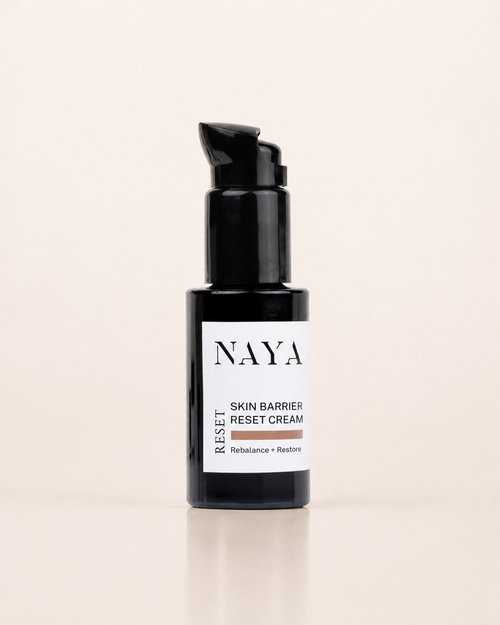
Create a hydrated, balanced base so the treatments that follow can perform more effectively.
Target your skin's current priority with a focused serum or treatment.
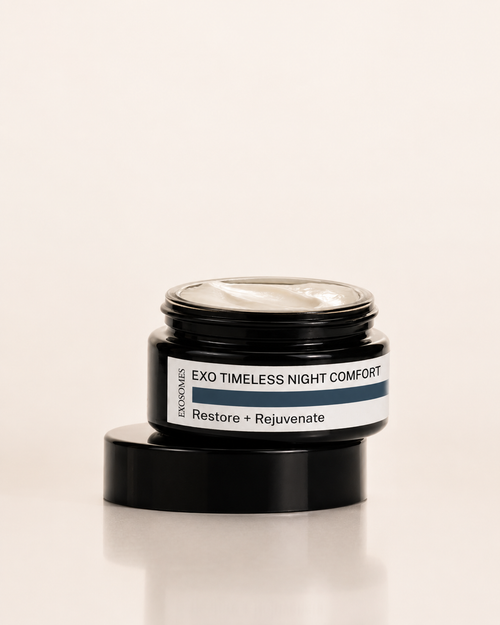
Replenish moisture, reinforce comfort and help maintain a resilient skin barrier.
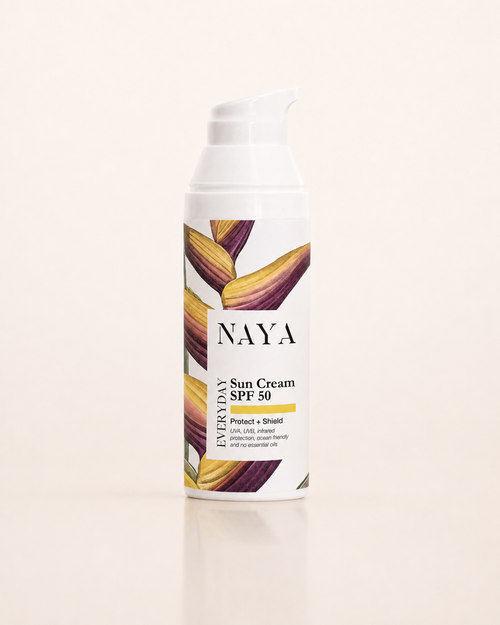
Complete the morning routine with broad-spectrum protection against daily UV exposure.
Choose your essentials, step by step, and save up to 15%.
Build your ritualAbsolutely. Yes you can.
Please take the product to your next doctor's appointment and follow your doctor's recommendation.
If you experience any discomfort or doubt while using the product, you should stop using it immediately.
Ideally not, as makeup can indeed trigger or worsen rosacea symptoms. Here’s why it happens and how to minimize the risk:
Why Makeup Triggers Rosacea:
1. Irritating Ingredients: Ingredients like alcohol, fragrance, menthol, and essential oils can irritate sensitive skin and cause flare-ups.
2. Heavy Formulas: Thick, occlusive makeup can trap heat and bacteria, exacerbating redness and inflammation.
3. Preservatives: Parabens and formaldehyde-releasing preservatives can further irritate rosacea-prone skin.
4. Physical Friction: Applying makeup with rough brushes or rubbing the skin too hard can aggravate symptoms.
5. Clogging Pores: Comedogenic ingredients can block pores, leading to breakouts and irritation.
Suggestion:
To calm your skin and manage the signs of rosacea, use RosēaCalm on its own rather than in combination with makeup. Apply RosēaCalm after your cleansing step on slightly damp skin. Alternatively, you can use it in combination with Aura Essence for enhanced skin comfort and hydration.
Our products are formulated to support your skin health and should not cause pilling on their own. However, in combination with certain makeup products as well as less superior skincare products, especially those with incompatible ingredients, pilling may occur. This is typically caused by the makeup itself, not our skincare.
Some makeup or even skincare formulas, especially those containing silicone-based ingredients, can cause pilling when layered over skincare products. Makeup formulas can sometimes be notoriously poorly formulated, and this can trigger pilling of our products, especially if the makeup contains:
1. Silicone-based ingredients (e.g., Dimethicone, Cyclopentasiloxane, etc.): These are often used in makeup for a smooth finish but can sometimes cause pilling when layered over skincare with certain oils or active ingredients.
2. Glycerin: While glycerin itself is a humectant that attracts moisture and generally doesn’t cause pilling, if it’s not properly absorbed before makeup application, it can contribute to pilling, especially when mixed with heavier emollients or thickeners.
3. Squalane: While generally well-tolerated, squalane can cause pilling when combined with certain makeup products, especially if too much product is applied or the makeup doesn’t allow for proper absorption.
4. Polyglyceryl-3 Polyricinoleate & Polyglyceryl-3 Diisostearate: These emulsifiers are used to help blend ingredients together but can sometimes lead to pilling when an incompatible makeup product is applied on top.
5. Zinc Oxide: Commonly used in sunscreens, zinc oxide may contribute to pilling if not allowed to fully absorb into the skin before applying makeup.
6. Magnesium Sulfate & Sodium Benzoate: These stabilizers and preservatives generally don’t cause pilling but may interact with certain makeup products to create this effect.
This is by all means not a complete list but a starting point.
To avoid pilling, we suggest allowing each product to fully absorb and ideally avoiding using make-up.
All NAYA products are formulated to be gentle and barrier-respecting. If your skin is highly reactive or you’re trying NAYA for the first time, we recommend introducing new products gradually. Minis, the Skin Quiz or a consultation can help you choose comfortably.